Khunjerab Pass and the Sost Border: A Practical Guide
The highest paved border crossing in the world, 140 km up the road. What the drive involves, what the altitude does, and when the pass is open.
By Villa Darya Team, Hosts at Villa Darya, Shishkat, Hunza · Published · Updated · 3 min read
Key takeaways
- Khunjerab Pass sits at 4,693 m — the highest paved border crossing in the world.
- It is about 140 km from Shishkat, and a full day out and back.
- The pass stays open year-round — the border has run twelve months a year for the last few years.
- Altitude affects most visitors at the top — go up slowly and do not plan exertion.
- Sost is the border and customs town, and the last settlement before the pass.
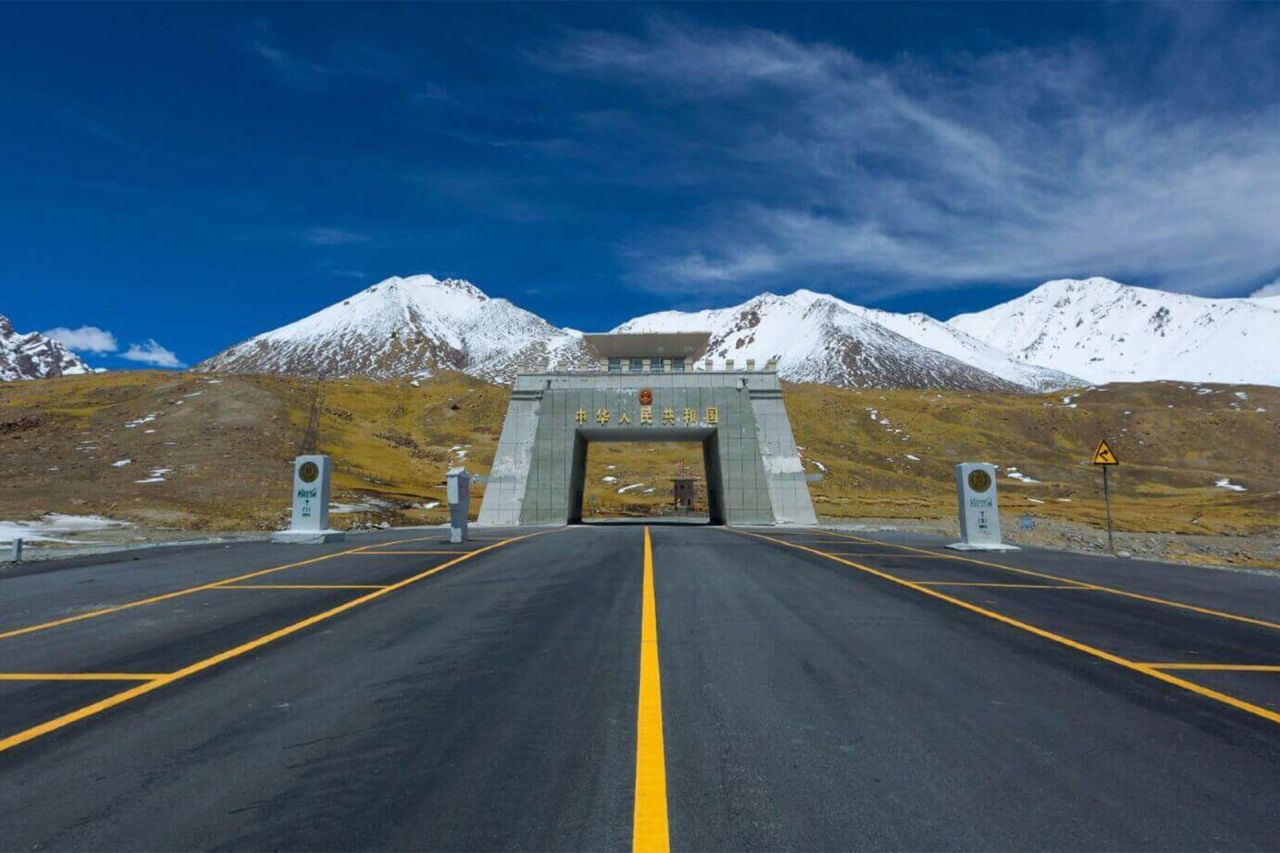
The Khunjerab Pass is the top of the Karakoram Highway: the point where Pakistan meets China at 4,693 metres, and the highest paved border crossing anywhere. From Upper Hunza it is a day trip, and it is the day trip most people build into the itinerary.
The drive
From Shishkat the pass is about 140 km. In the mountains that is most of a day once you allow for stops, so start early and treat it as the whole day rather than a morning.
The road runs north through Gulmit and Passu, then Sost, then climbs into the Khunjerab National Park. The last stretch is open, high and treeless, and the change from the valley is abrupt.
Altitude
This is the part people underestimate. You can be comfortable in Hunza at around 2,500 m and be genuinely unwell at 4,693 m a few hours later, because the ascent is fast and there is no acclimatisation built into it.
Headache, breathlessness and nausea at the top are common and usually mild. Some sensible precautions:
- Drink considerably more water than feels necessary, starting the day before.
- Do not plan anything strenuous at the top — walking uphill at that altitude is harder than it looks.
- Do not linger for hours if you feel unwell. Descending fixes it.
- Anyone with heart or lung conditions should take medical advice before going.
Sost
Sost is the last town before the border and the place where customs and immigration for the crossing are handled. The NATCO buses to and from China run from here, and there is a dry port.
It is a working border town rather than a destination. If your trip involves crossing, you will spend time here; if it does not, there is little reason to stay overnight when the lake, the glacier and the cones are all south of it.
Whether the pass is open
This has changed, and most of what is written online has not caught up. The pass used to close for the season with the first heavy snow and reopen in spring. For the last few years the Khunjerab crossing has stayed open through the winter, and the border has operated twelve months a year.
What has not changed is the weather. Snow can shut the road for days at a time, and conditions at 4,693 m in January are not conditions at 4,693 m in July. Check the position before you drive up — but do not assume it is shut because it is winter.
What to take
- Your passport. There are checkposts on the approach.
- Warm clothing. It can be pleasant in the valley and below freezing at the pass on the same day.
- Food and water. There is little available at the top.
- Fuel in the tank. Fill up before you leave the valley.
Go up early, come down before dark, and give the altitude the respect it asks for.
Frequently asked questions
How high is the Khunjerab Pass?
4,693 metres — about 15,400 feet. That makes it the highest paved international border crossing in the world, and high enough that altitude symptoms are common among visitors who drove up from the valley the same morning.
Is the Khunjerab Pass open in winter?
Yes. For the last few years the pass and the Pakistan–China border at Khunjerab have stayed open through the winter, rather than closing for the season as they once did. A lot of guidance online is still out of date on this. Heavy snowfall can close the road for a few days at a time, so check conditions before driving up.
Do I need a permit to visit Khunjerab Pass?
Visiting the pass from the Pakistani side as a tourist does not normally require a special permit, but it is a border zone with checkposts, and there is a national park entry fee. Carry your passport. Actually crossing into China is a different matter with its own requirements.
How long does it take to drive to Khunjerab Pass from Hunza?
From Upper Hunza allow most of a day for the round trip — roughly 140 km each way from Shishkat, on good but climbing road, plus time at the top and the stops you will want on the way.